Effective Strategies for Minimizing Lawn Pests Without Harmful Chemicals Oct 24, 2026
Understanding Your Lawn's Ecosystem
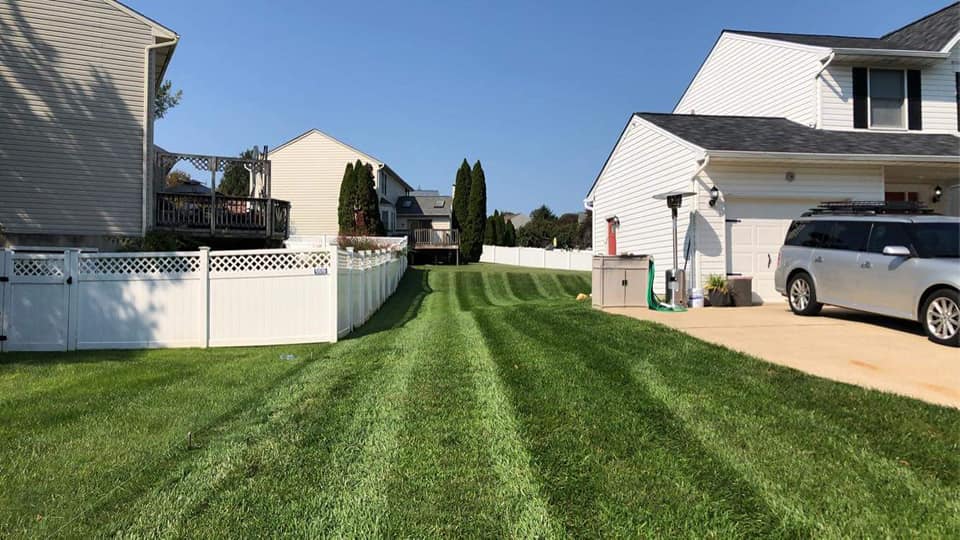
The first step to effective pest control is understanding your lawn's ecosystem. A healthy lawn is naturally more resistant to pests. This means focusing on maintaining as balanced an environment as possible. Regular mowing, proper watering, and adequate fertilization are foundational practices. By ensuring these elements are in place, you encourage strong grass growth, which can naturally outcompete weeds and deter pests.
Introducing Beneficial Insects
Encouraging a diverse lawn ecosystem involves not just battling harmful pests but also fostering beneficial ones. Ladybugs, for example, are natural predators of aphids and other soft-bodied insects. Introducing beneficial insects such as these can significantly reduce pest populations. Consider planting flowers such as marigolds and daisies that attract these insects, further fortifying your yard against unwanted invaders.
Using Organic Remedies
For those who wish to take natural pest control a step further, organic remedies offer an effective solution. Neem oil, a natural pesticide derived from the neem tree, disrupts the life cycle of many common lawn pests and is safe for use around children and pets. Similarly, diatomaceous earth, a powder made from fossilized aquatic organisms, can be sprinkled around your lawn to deter pests like ants and grubs without causing harm to your plants.
Setting Up Physical Barriers
Physical barriers can also play a pivotal role in controlling lawn pests. Consider using row covers or mesh to protect specific areas of your garden or lawn from insects. By preventing direct access, you can allow your plants to thrive without interference. Additionally, regularly checking your lawn for pest entry points and sealing these off can deter future infestations.
Natural Lawn Care Practices
Incorporating diverse, native plant species into your lawn can aid in pest management. Native plants tend to be hardier and more resistant to local pests, reducing the overall need for pest control. Companion planting, a practice where certain plants are grown in proximity for mutual benefits, can also deter pests. Plants like garlic and chives can repel snails and aphids, providing a natural layer of protection for your garden.
Maintaining Soil Health
Healthy soil is the foundation of a healthy lawn. Regular soil testing can help you understand its composition, enabling you to make informed choices about which nutrients may be needed to bolster your lawn’s resilience. Incorporating compost or mulch can further enhance soil quality, supporting root health and creating an unfavorable environment for pests.
In conclusion, maintaining a pest-free lawn without harmful chemicals involves a multi-faceted approach. At A Better Lawn Service LLC, we emphasize that fostering a healthy lawn is not just about pest control, but about creating a balanced ecosystem. By understanding your lawn's needs and incorporating natural pest control methods, you can enjoy a thriving outdoor space that is safe for your family and the environment. Reach out to us if you need more guidance on cultivating a greener, healthier lawn. Your journey to a pest-free yard starts with thoughtful, conscientious care.
