Sustainable Lawn Upgrades: Implementing Eco-Friendly Practices for a Greener Future Nov 15, 2026
To start with, consider the power of organic fertilizers. Traditional chemical fertilizers can often harm the delicate balance of your lawn's ecosystem. They may lead to runoff that pollutes local water sources. Organic fertilizers, however, release nutrients slowly and naturally, ensuring that grass absorbs them efficiently without the risk of over-fertilization. This not only improves soil health but also enhances root growth, leading to a robust, verdant lawn.
Water conservation is another critical aspect of sustainable lawn care. A deep, infrequent watering schedule encourages roots to grow deeper in search of water, making your lawn more drought-resistant. Early morning watering minimizes evaporation, ensuring that more water reaches the roots where it's needed most. Installing a rain sensor or a smart irrigation system can further optimize water usage, turning your watering habits into an eco-friendly practice.
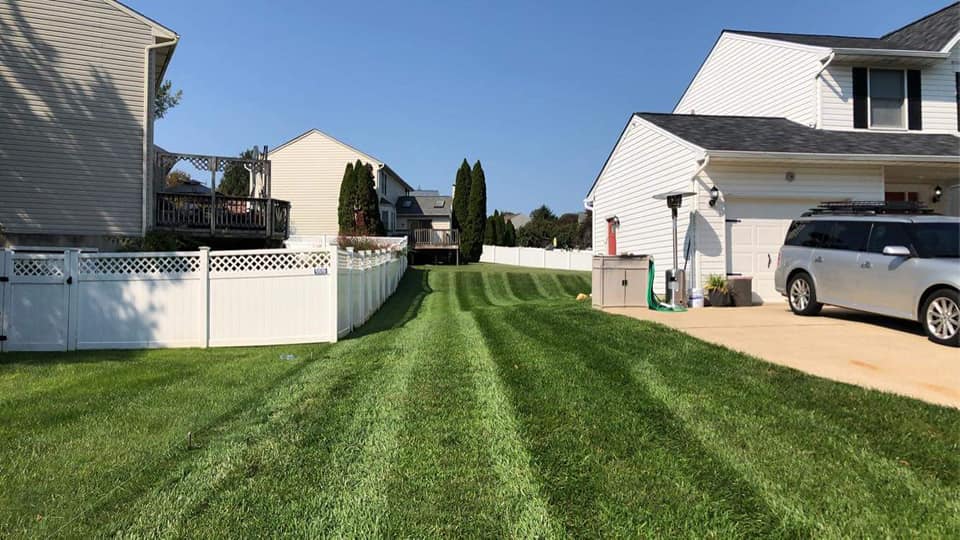
Lawn mowing can also be greener if you adjust a few practices. Consider keeping your mower’s blades sharp to ensure a clean cut, which reduces the risk of disease. Additionally, cutting your grass higher promotes a deeper root system and shades the soil, reducing water evaporation and inhibiting weed growth. A Better Lawn Service LLC recommends leaving grass clippings on the lawn after mowing. This method, known as grasscycling, allows clippings to decompose and return valuable nutrients to the soil, reducing the need for additional fertilizers.
Incorporating native plants and grasses is another effective strategy for sustainability. Native species are naturally adapted to the local climate and soil conditions, requiring less water, fertilizer, and maintenance. They also support local biodiversity by providing habitat for various insects and wildlife. By choosing plant varieties that thrive naturally in your region, you can cultivate a vibrant, low-maintenance lawn that stays healthy year-round.
Composting is an excellent way to handle yard waste sustainably. Gathering leaves, grass clippings, and other organic waste in a compost bin can produce rich, nutrient-filled compost that serves as a powerful, natural fertilizer. Not only does this reduce landfill waste, but it also offers a free, eco-friendly resource for nurturing your lawn.
Lastly, consider reducing the size of your lawn by adding garden beds or hardscaping elements such as stone paths or patios. These additions not only lower the amount of grassy area needing maintenance but also enhance the aesthetic appeal of your outdoor space, creating inviting areas to relax and entertain.
By implementing these eco-friendly practices, you not only contribute to a healthier environment but also enjoy a lush, thriving lawn that’s easier to maintain. Sustainable lawn care is a journey, and A Better Lawn Service LLC is here to guide you through each step, helping you achieve a beautiful, sustainable landscape that complements your home while advancing a greener future. Embrace these changes today and be part of the growing movement towards responsible and environmentally-friendly lawn care.
