The Science of Mowing: Techniques and Tools for a Healthier Lawn Apr 01, 2026
The foundation of effective lawn care begins with understanding the proper mowing height. Grass species can vary greatly, so it's essential to identify which type you have and adjust your mower accordingly. For cool-season grasses, such as Kentucky bluegrass or fescue, maintaining a height of roughly 2.5 to 3.5 inches is optimal. This height helps the lawn retain moisture and shades the roots from harsh sunlight. Conversely, warm-season grasses like Bermuda and Zoysia thrive when kept between 1 to 2 inches tall. Proper mowing height allows grass to grow untouchably strong, resisting pests and diseases.
Timing is another crucial aspect of mowing to consider. While it might be tempting to mow your lawn as soon as you notice it growing, timing your cuts can significantly impact grass health. A Better Lawn Service LLC advises mowing when the grass is dry to ensure a clean cut. Wet grass tends to clump, leading to an uneven cutting and potential for disease. Regular mowing encourages denser turf, which is more capable of choking out weeds and withstanding foot traffic.
Equally important is the condition of your equipment. Sharp blades are non-negotiable; they provide a clean cut, which helps grass recover quickly and reduces stress. Dull blades, on the other hand, tear the grass, creating a ragged edge that can lead to brown tips and makes the lawn vulnerable to disease. Regular maintenance of your mower, such as cleaning under the deck and sharpening blades, is akin to sharpening a chef’s knife—essential for optimal performance.
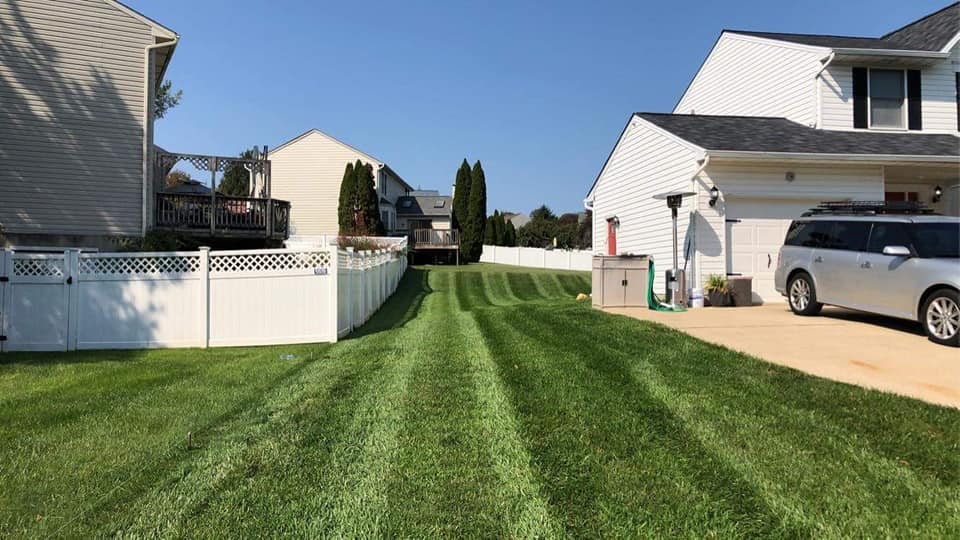
It's important to note that the direction you mow matters. Each mowing session should involve changing directions, as this prevents the grass from leaning in one direction and results in a more uniform lawn. Alternating mowing patterns also helps prevent soil compaction, ensuring your grass has the airflow and rooting potential it needs.
Moreover, the practice of leaving grass clippings behind, also known as grasscycling, can provide rich nutrients back to the soil. As these clippings decompose, they return nitrogen, potassium, and phosphorus—key nutrients that contribute to healthy grass growth. A healthier lawn thus relies not just on professional lawn services, but also on your understanding and implementation of these grass-friendly practices.
To conclude, regular maintenance, the correct technique, and an understanding of your lawn’s needs are fundamental to keeping your grass healthy and appealing. By following these tailored mowing tips, you're not just preserving the aesthetic quality of your lawn, but also fortifying it against pests and disease. Trust A Better Lawn Service LLC to assist you in this endeavor, providing expertise and services that elevate your lawn care routine from mere upkeep to a science-backed strategy. Whether you're just beginning your journey towards a healthier lawn or looking to refine your technique, we're here to support you with all your lawn care needs.
/filters:no_upscale()/filters:format(webp)/media/656c17a5-3906-4bf8-83a8-2d2c4a01785d.jpeg)